Auckland is a city of 1.7 million people spread across an isthmus between two harbours, three volcanic cones inside the central suburbs, and dozens of islands out in the Hauraki Gulf. That geography makes getting around Auckland a different proposition from most cities its size — more ferries than most, a train network that is about to double its central capacity with the opening of the City Rail Link in 2026, a fast North Shore busway, and a serious congestion problem on the Harbour Bridge at peak times that no amount of planning has yet solved.
The good news for visitors is that the inner zone of the city — the CBD, Ponsonby, Parnell, Newmarket, Mount Eden, and the inner bays — is genuinely well served by public transport, particularly once you have an AT HOP card. This is the complete 2026 guide to getting around Auckland: how to use the train, bus, and ferry network; what a rental car actually costs; when to choose an Uber versus a taxi; how the airport transfer options compare; what’s changing in 2026; and the practical tips that will save you time and money.
What’s Changing in 2026: The City Rail Link and Fare Rises
The single biggest transport change in Auckland’s modern history arrives in 2026 with the opening of the City Rail Link (CRL). The CRL is a 3.45-kilometre twin-tunnel underground rail line that runs beneath the CBD and connects Britomart station back around to Mount Eden, doubling the central city’s rail capacity and cutting travel times significantly. Two new underground stations — Te Waihorotiu (under Aotea Square, between the Civic and the Auckland Art Gallery) and Karanga-a-Hape (on Karangahape Road, with entrances on Mercury Lane and Beresford Square) — open with the line. A refurbished Maungawhau / Mount Eden station serves as the western interchange. For visitors, the result is that train travel from Britomart to K’ Road, Mount Eden, and the western suburbs becomes meaningfully faster and more frequent.
The second change is a fare adjustment that took effect on 1 February 2026. Auckland Transport lifted bus and train fares by approximately 10–25 cents per journey and ferry fares by 40–60 cents. AT HOP card holders still pay less than cash fares, and the $50 weekly cap and $20 daily cap for bus and train travel remain in place — meaning most visitors will still find public transport good value. Auckland Transport also expanded contactless payment at bus and train gates across the network from November 2024, so Visa and Mastercard taps now work almost everywhere (at roughly the same price as AT HOP card fares).
AT HOP Card: How to Pay for Public Transport in Auckland
The AT HOP card is Auckland Transport’s reusable smart card and the default way to pay for buses, trains, and ferries. It costs NZ$5 to buy (non-refundable), and you top it up with credit. HOP fares are approximately 20–30% cheaper than cash fares, and the $50 weekly cap (Monday–Sunday) means that once you’ve spent NZ$50 on bus and train travel in a single calendar week, every additional bus and train journey that week is free. This makes HOP the obvious choice for anyone staying more than two or three days.
You can buy AT HOP cards at the ticket desks in most train stations, including Britomart and Maungawhau / Mount Eden, at the Ferry Building, and at many convenience stores and 7-Eleven outlets. Top up at the same locations, at any AT HOP top-up machine, through the AT Mobile app, or automatically online.
The alternative, for shorter visits, is contactless payment. From November 2024, Auckland Transport has rolled out contactless Visa and Mastercard taps at gates and on-board readers across buses, trains, and ferries. The fare you pay is the same as the HOP fare, and no card purchase is required — just tap your bank card or phone (Apple Pay / Google Pay) at the reader. It is the easiest option for a one- or two-day visit.
Auckland Trains: Routes, Frequency, and the City Rail Link
Auckland has four electric rail lines: the Western Line (Britomart to Swanson, via Mount Eden, Kingsland, and Morningside), the Southern Line (Britomart to Papakura, via Newmarket), the Eastern Line (Britomart to Manukau, via Panmure and Sylvia Park), and the Onehunga Line. Trains run roughly every 10–15 minutes on weekdays (less often on weekends and evenings), and every line currently terminates at Britomart. Once the City Rail Link opens later in 2026, the Western and Southern lines will run as continuous services through Te Waihorotiu and Karanga-a-Hape stations, with greatly improved frequency.
For visitors, the most useful train journeys are: Britomart to Mount Eden and Kingsland (for Eden Park and Mount Eden cafes); Britomart to Parnell (single stop, for the Domain and Auckland Museum walk); Britomart to Newmarket (one stop past Parnell, for shopping); and Britomart to Sylvia Park (for the country’s largest shopping centre). A single zone one journey on HOP is NZ$2.30; a two-zone journey (e.g. Britomart to Kingsland) is NZ$3.80.
Auckland Ferries: The Best Way to Travel Across the Harbour
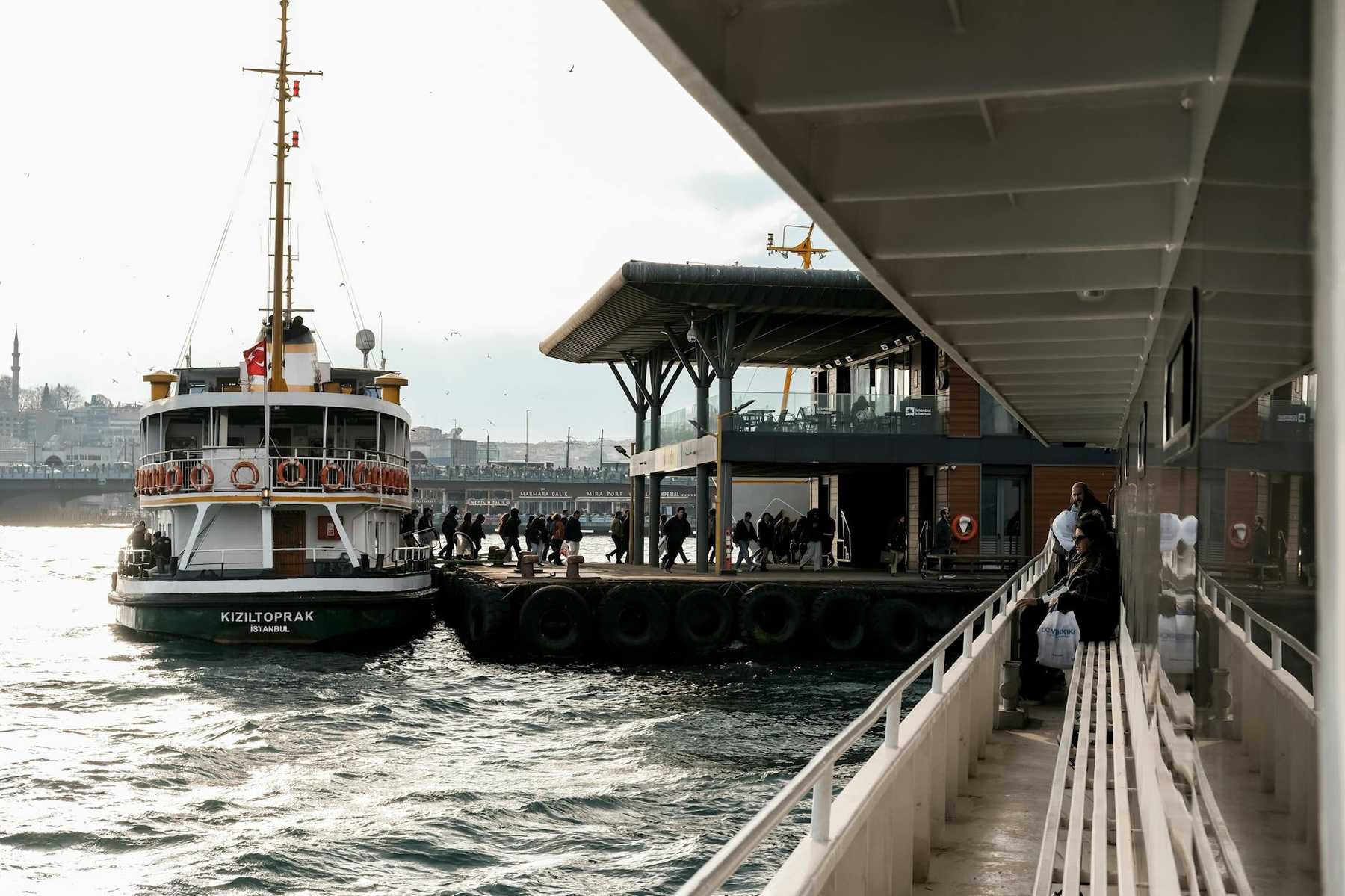
Auckland’s ferry network is one of its great pleasures. Most services depart from the Downtown Ferry Terminal next to Britomart, in the heart of the CBD. Core commuter and visitor routes include Devonport (12 minutes; essential short trip), Bayswater, Birkenhead, Northcote Point, Half Moon Bay, Stanley Bay, Hobsonville Point, and West Harbour. Scenic and island services go to Waiheke Island (40 minutes; the country’s best wine-island day trip), Rangitoto Island (25 minutes; a short volcanic hike), Motutapu, Tiritiri Matangi (75 minutes; a predator-free bird sanctuary), and Great Barrier Island (four to five hours; a more ambitious day or overnight trip).
A single ferry to Devonport with HOP is approximately NZ$8.80; Waiheke is around NZ$30 return on the Fullers360 service. For visitors, the Devonport return is the single best short ferry ride — 24 minutes of harbour views round-trip and an immediate change of scene at the other end. Ferries run roughly every 30 minutes through the middle of the day and more frequently at commuter peaks.
Auckland Buses: The Frequent Network and the Link Routes
The Auckland bus network is run by Auckland Transport and covers everywhere the train and ferry don’t. For visitors, the easiest buses to understand are the three Link routes: the City Link (a free inner-city loop between the Ferry Building and Karangahape Road), the Inner Link (a loop that connects the CBD with Ponsonby, Herne Bay, Parnell, and Newmarket), and the Outer Link (a larger loop out to Grey Lynn, Kingsland, Mount Eden, and back). The Link routes run every 7–15 minutes and are marked in distinctive colours on every stop — red for City, green for Inner, orange for Outer.
Beyond the Link routes, the Frequent Network — a set of bus routes that run every 15 minutes or better, seven days a week — is the backbone of the city. Key Frequent Network routes include the NX1 and NX2 Northern Busway expresses (Takapuna, Albany, Silverdale), the 70 and 75 to Botany and Howick, the 27H and 27W to Three Kings, and the 18 down Great North Road. The AT Mobile app is the best way to plan a route and see real-time arrival boards.
The Northern Busway: Auckland’s Fastest Route to the North Shore
The Northern Busway — a dedicated bus corridor that runs parallel to the motorway from Akoranga to Albany — is the single most efficient piece of public transport in Auckland. NX1 buses run every 5–10 minutes at peak and every 10–15 off-peak, connecting the Britomart bus station to Smales Farm, Sunnynook, Constellation, and Albany. A journey from the CBD to Takapuna takes about 20 minutes regardless of traffic — a remarkable result on a route that can take an hour in a private car when the Harbour Bridge jams.
For visitors staying in Takapuna, Albany, or anywhere north of the bridge, the NX1 should be your default for trips into the CBD. An extension of the busway to the north, the Penlink project, will open a new connection from Whangaparāoa to the motorway — expected to be fully operational during 2026 — though this is mostly relevant for those doing day trips to the Hibiscus Coast.
Auckland Airport Transfers: How to Get to and From AKL
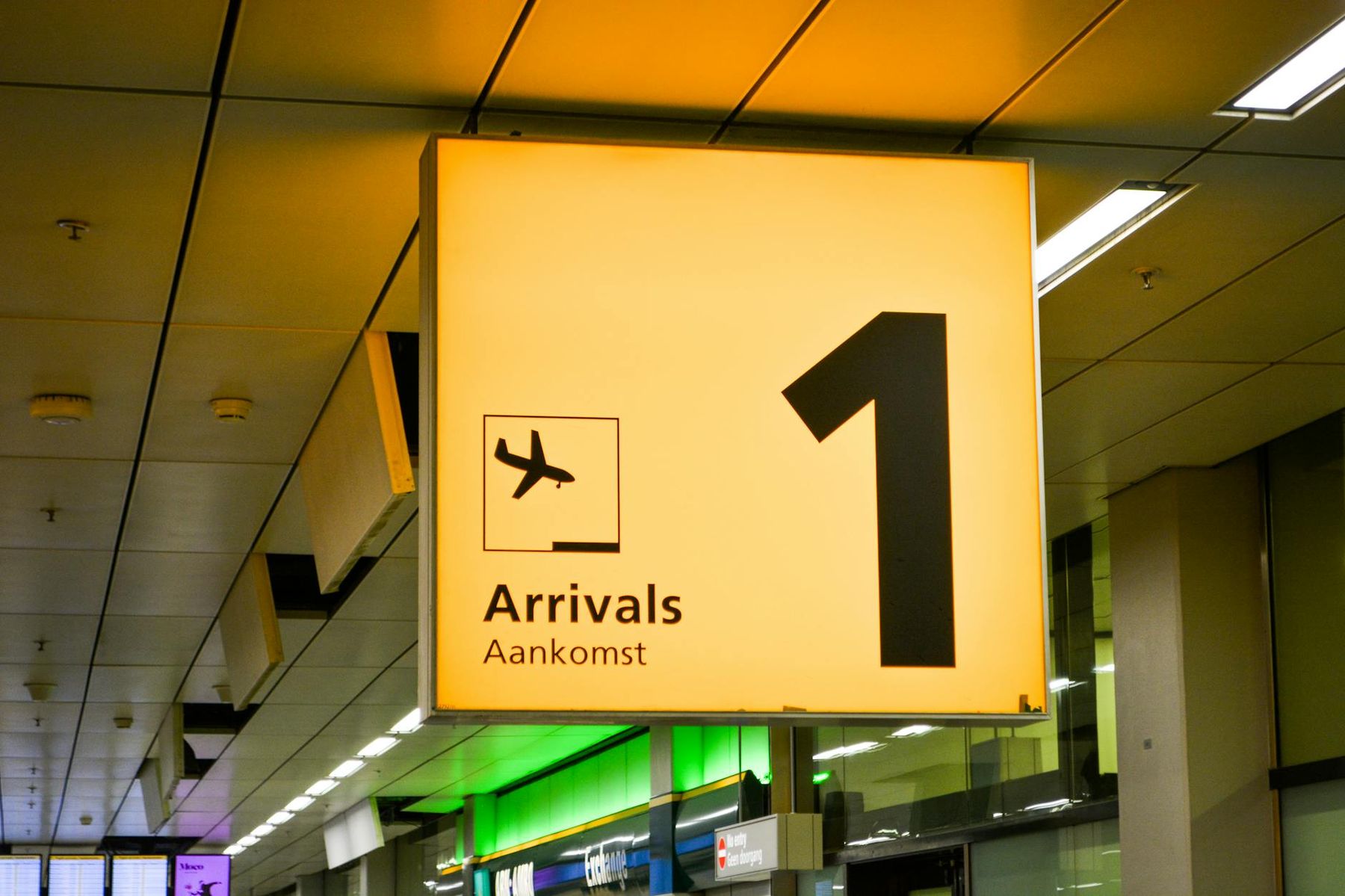
Auckland International Airport (AKL) is 21 kilometres south of the CBD in Mangere. Your options for getting into the city, in rough order of cost:
SkyDrive Bus
The SkyDrive Airport Express is the fastest direct bus service between the international and domestic terminals and central Auckland. Journey time is typically 30–45 minutes; tickets cost around NZ$20 one-way and NZ$30 return. Buses run every 15–20 minutes from roughly 4 am to 10 pm. This is the best-value option for most visitors travelling solo or as a couple.
Public Bus (AT Metro)
Route 380 AirportLink connects the airport to Manukau or Papatoetoe train stations, where you can transfer to a train to Britomart. A full AT HOP journey from the airport to the CBD is around NZ$10–$12 and takes 65–90 minutes. It’s the cheapest option but only worth it if you’re travelling on a very tight budget.
Uber and Rideshare
Uber and the local rideshare app Ola operate at the airport. A standard Uber from AKL to the CBD typically costs NZ$50–$65, plus a NZ$5.50 airport pickup fee. UberX is the most-used option; Uber Comfort or Uber Premier are available at higher rates. Journey times are usually 30–45 minutes, longer in peak traffic.
Taxi
Metered taxis from the airport rank are typically NZ$75–$95 to the CBD — a bit more expensive than Uber but straightforward and reliable. Co-op and Corporate Cabs are the two biggest fleets at the airport.
Private Transfer and Shuttle
Several private shuttle companies run door-to-door services to hotels across Auckland. Expect NZ$30–$45 per person; they’re cheapest when the shuttle is shared with other passengers. Companies like Super Shuttle are bookable online in advance and are often the best choice for families or those with heavy luggage.
Uber, Rideshare, and Taxis in Auckland
Inside the city, Uber is the default rideshare option. Typical inner-city fares: NZ$12–$18 for a short CBD-to-Ponsonby ride, NZ$18–$28 for CBD to Newmarket, and NZ$22–$35 for CBD to Mount Eden or Takapuna. Surge pricing kicks in on weekend nights and during events. Ola is the main alternative and is often a few dollars cheaper. Didi, the Chinese rideshare service, also operates in Auckland. Local taxi fleets like Corporate Cabs, Co-op Taxis, and Alert Taxis provide traditional metered services and are a reliable pre-book option for early airport trips.
Renting a Car in Auckland: When It’s Worth It
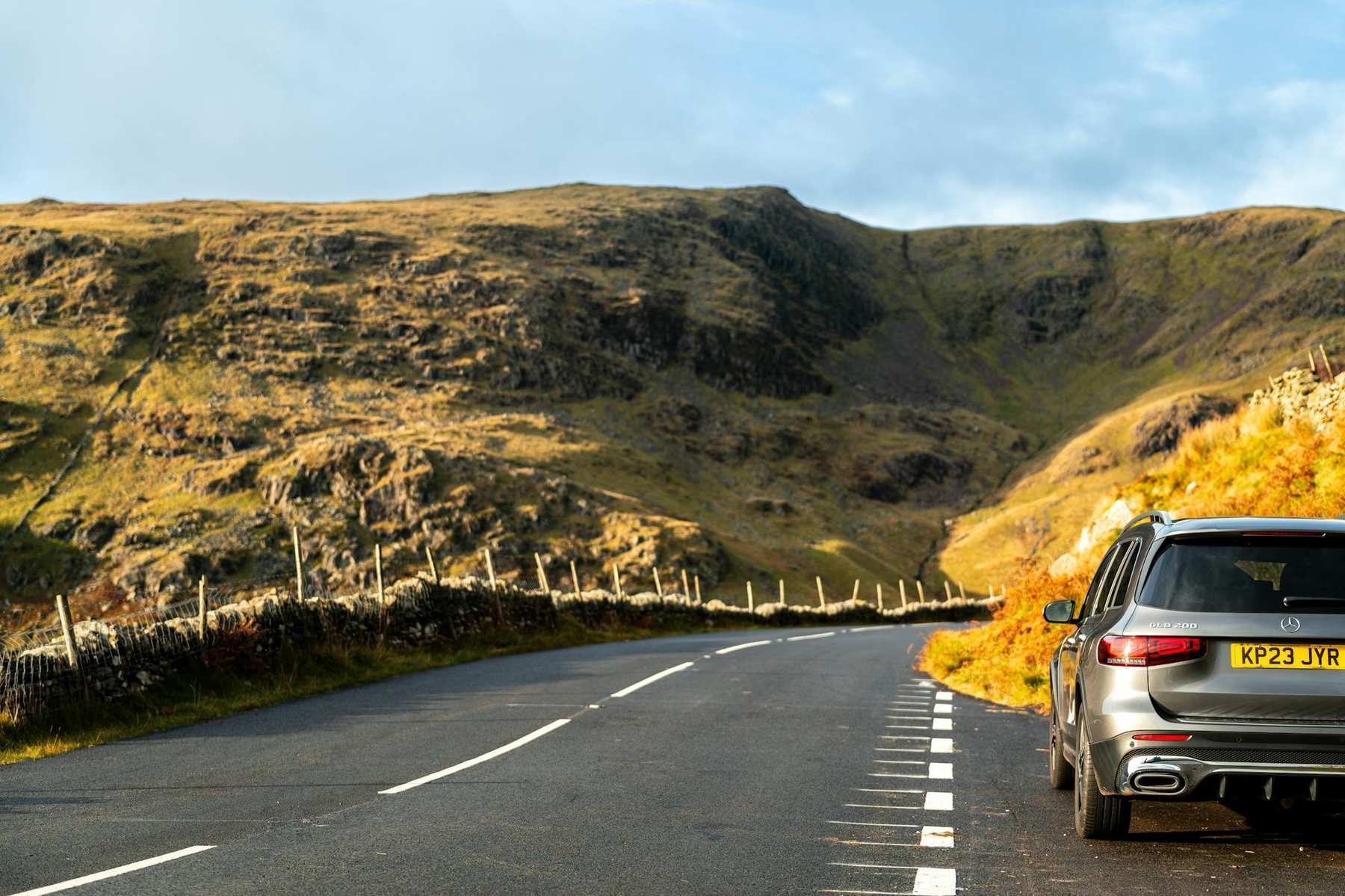
If you plan to stay in central Auckland for three or four days of sightseeing, a rental car is more trouble than it’s worth. Parking in the CBD is expensive (NZ$35–$55 for overnight valet at most hotels), the city centre is congested at peak times, and trains, ferries, and Ubers cover most tourist needs. But if you’re planning day trips — Waitakere Ranges, Piha and Muriwai beaches, Hibiscus Coast, Matakana wine country, the Coromandel — a rental car is the best way to do it, and often the only way.
Expect to pay NZ$80–$120 per day for a compact rental from the major chains (Avis, Budget, Hertz, Europcar, Enterprise, Thrifty) in peak season, or NZ$55–$85 in shoulder months. Local operators like Go Rentals, Jucy, and Apex are typically 15–30% cheaper. All offer unlimited kilometre packages; check the insurance excess carefully — standard excess levels are NZ$3,000–$5,000 unless you buy a reduced-excess package (typically NZ$20–$35 per day extra).
Where to Pick Up a Rental
Most visitors pick up their rental at the airport, which has depots for all the major and local chains. City depots exist but are often harder to reach and no cheaper. If you’re only renting for a day trip, booking from the airport and then driving straight out of the city at the start of your day works well. Many Auckland visitors skip the rental entirely during their CBD days and rent only for a 1–3 day side trip.
Driving Rules Visitors Should Know
New Zealand drives on the left. The urban speed limit is 50 km/h unless posted otherwise; rural roads are 100 km/h; motorways vary between 80 and 110 km/h, signed clearly. You must carry your licence while driving; international visitors can use a valid overseas licence or an international driving permit for up to 12 months. Seatbelts are compulsory for all passengers, and using a phone in hand while driving is illegal and heavily fined. Drink-driving limits are strict: 0 for drivers under 20, and 250 mcg/litre breath alcohol (approximately 0.05% BAC) for everyone else. Fuel runs approximately NZ$2.70–$2.90 per litre for 91 regular in 2026.
Tolls and Congestion
Auckland has several toll roads. The most relevant for tourists is the Northern Gateway Toll Road (SH1 between Orewa and Puhoi, relevant if you’re driving north to Matakana or the Bay of Islands) at around NZ$3 per car. Tolls are paid online, not at booths — look up your registration at nzta.govt.nz within five days of travel. A new time-of-use congestion charge for central Auckland is also under discussion and may roll out during 2026; if you’re driving into the CBD, check the latest Auckland Council and Waka Kotahi guidance before your visit.
Parking in Auckland
Parking in central Auckland is almost entirely paid — either on-street via the AT Park app or via a pay-and-display meter, or in one of the many city car parks. Typical CBD meter rates are NZ$4–$6 per hour between 8 am and 6 pm, Monday to Saturday; free on Sundays and public holidays in most zones. Downtown Car Park, Civic Car Park, and SkyCity Car Park are the three biggest CBD garages, charging NZ$5–$7 per hour with an NZ$25–$40 daily cap. If you’re parking for several days, booking a space at a Park & Ride near Albany, Akoranga, or Sylvia Park and taking the bus or train in is dramatically cheaper.
Walking and Cycling in Auckland
Central Auckland is very walkable once you accept the hills. From Britomart you can reach the Viaduct (5 minutes), Commercial Bay and the Ferry Building (3 minutes), Aotea Square (10 minutes), Albert Park and the Auckland Art Gallery (12 minutes), and the base of the Sky Tower (8 minutes) all on foot. The walk up Queen Street to K’ Road is 20 minutes and is one of the best gentle introductions to the city’s geography.
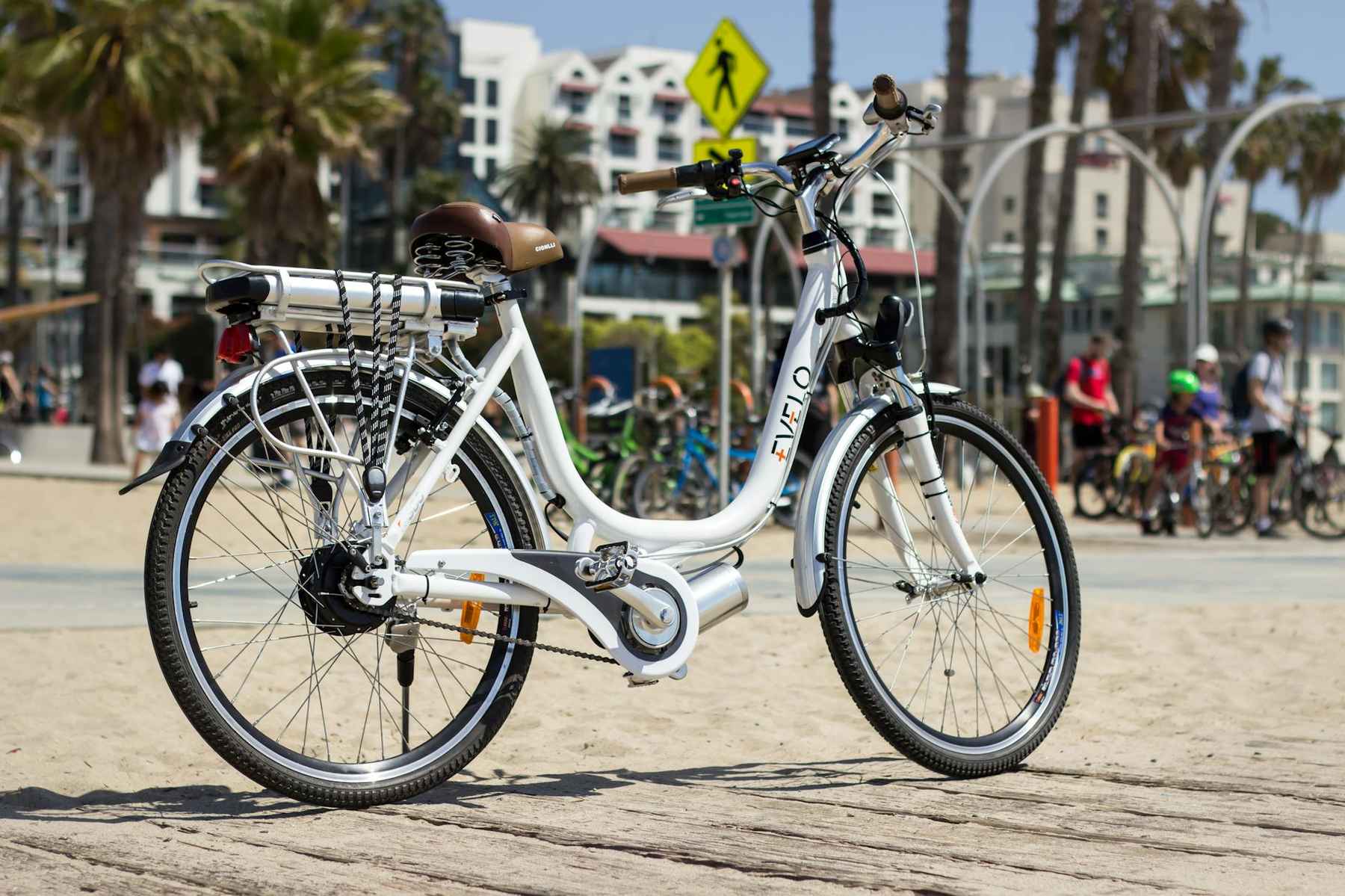
Auckland’s cycling infrastructure has improved substantially. The Northwestern Cycleway connects the CBD through Point Chevalier to the West; the Tamaki Drive waterfront cycleway takes you from the CBD along the harbour to Mission Bay, St Heliers, and Saint Georges Bay; the Te Ara I Whiti / Lightpath is a stunning, pink-illuminated elevated cycleway that takes you from Upper Queen Street to Karangahape Road; and the Northcote Safe Cycle Route connects Akoranga bus station to Northcote Point. Bike shares include Beam and Lime e-scooters and e-bikes, available across the CBD — download the apps, scan the QR code, and go. Expect NZ$1 to unlock plus NZ$0.40–$0.55 per minute.
Traditional bike hire from shops like Adventure Cycles and Bike the Bridge runs NZ$35–$55 per day for a road bike or hybrid. For e-bike rentals the rate is typically NZ$75–$95 per day. Several operators offer guided Waiheke Island bike tours that combine the ferry trip with a day of winery riding.
Getting to the Islands: Ferry Services and Water Taxis
The Hauraki Gulf islands are one of Auckland’s defining attractions. Your options:
Fullers360 operates the main visitor ferry network — Waiheke (Matiatia Bay), Rangitoto, Motutapu, Tiritiri Matangi, and some private charters. SeaLink operates car and passenger ferries to Waiheke (Kennedy Point) and Great Barrier Island — the only way to take a rental car to Waiheke. 360 Discovery runs gulf cruises to Tiritiri Matangi and the Coromandel Peninsula. For bespoke transfers, Auckland Water Taxis and Explore Group offer private water taxi services to and from any harbour pick-up point.
Book ferry tickets online in advance in peak summer, especially for weekends — Waiheke sailings can sell out on sunny Saturdays and Sundays. The SeaLink car ferry needs to be booked at least 24–48 hours ahead.
Day Trips From Auckland: Transport Choices
A handful of day trips shape how visitors think about transport. Here’s how to do each:
Waiheke Island: Ferry only (no bridge exists). Fullers360 from Downtown Ferry Terminal, 40 minutes, return NZ$30 with HOP. On the island, take the 1, 50A, or 50B bus, a taxi, a rental car from Waiheke Rentals at Matiatia, or book an organised wine tour. Rangitoto Island: Ferry only, 25 minutes from downtown; pack water, sunscreen, and walking shoes for the one-hour summit hike. Waitakere Ranges, Piha, and Muriwai: Rental car is the best option; no direct public transport reaches the beaches, and the windy roads are part of the experience. Matakana and the Hibiscus Coast: One hour by car on SH1 north; no rail connection, and buses are slow. A rental is essentially mandatory. Hobbiton: Two hours south of Auckland in Matamata; book a tour bus from Auckland that includes transport (most tours depart the CBD around 7:30 am and return by 6 pm).
Accessibility on Auckland Transport
Auckland Transport has made significant accessibility improvements over the past decade. All current electric trains are step-free between platform and carriage; all buses on the Frequent Network are low-floor with ramps; most ferry services have step-free boarding at Downtown Ferry Terminal and major wharves. Mobility scooter users and wheelchair travellers should contact Auckland Transport directly for route advice and any needed ferry ramp support. The AT Mobile app has step-free journey planning built in. All new City Rail Link stations (Te Waihorotiu, Karanga-a-Hape, and the refurbished Mount Eden / Maungawhau) are fully accessible.
Frequently Asked Questions About Getting Around Auckland
How much does public transport cost in Auckland?
With an AT HOP card or contactless payment, a zone-one bus or train journey is NZ$2.30; a two-zone journey is NZ$3.80. The $50 weekly cap and $20 daily cap for bus and train travel mean most visitors pay less than expected. Ferries are priced separately, with the Devonport return around NZ$8.80 and Waiheke around NZ$30 return.
Should I rent a car in Auckland?
Only if you’re doing day trips outside the inner city (Waitakere Ranges, Piha, Muriwai, Matakana, Hibiscus Coast, Coromandel) or if you’re staying in the outer suburbs. For a central-Auckland-only trip of three to five days, public transport, walking, and the occasional Uber cover everything you need at a much lower cost.
Is Uber available in Auckland?
Yes. Uber, Ola, and Didi all operate in Auckland. Uber is the most common. Inner-city fares run NZ$12–$18 and airport-to-CBD fares run NZ$50–$65 plus a NZ$5.50 airport pickup fee.
What is the best way to get from Auckland Airport to the CBD?
For solo and couple travellers, the SkyDrive Airport Express bus is the best value at around NZ$20 one-way and 30–45 minutes travel time. For groups of three or more, an Uber (around NZ$55–$70 with the airport fee) is often cheaper per person. For budget travellers with light luggage, the AirportLink bus + train combination costs around NZ$10–$12.
Can I use a contactless card on Auckland public transport?
Yes. From November 2024, contactless Visa and Mastercard taps (including Apple Pay and Google Pay) work across Auckland buses, trains, and ferries. The fare is the same as an AT HOP fare. No pre-purchase required — just tap your bank card or phone at the reader.
When does the City Rail Link open?
The City Rail Link is scheduled to open in 2026, adding two new underground stations — Te Waihorotiu (Aotea Square) and Karanga-a-Hape (Karangahape Road) — and dramatically improving rail frequency and connectivity through the CBD. Check the CRL website or Auckland Transport for the current opening timeline.
Are Auckland trains and buses safe at night?
Yes. Auckland’s public transport network is well-patrolled and safe. Late-night services (after around 11 pm) run at reduced frequency, so check the timetable or the AT Mobile app. Most visitors use Uber or taxi for late-night journeys because services drop off rather than for safety reasons.
Final Practical Tips
Five tips that will save time and money. First, download the AT Mobile app before your trip — it handles top-ups, journey planning, and live arrival boards in one place. Second, always travel with your HOP card or a contactless card; buying paper tickets works but costs more and is slower. Third, take the ferry to Devonport at least once, even if you don’t need to — it’s the best 12-minute city tour anywhere in the southern hemisphere. Fourth, avoid driving across the Harbour Bridge at peak times (7:30–9 am and 4:30–6:30 pm on weekdays); take the NX1 bus or a ferry instead. Fifth, book Waiheke ferries online in advance on summer weekends; same-day standby tickets often sell out on sunny days.
Auckland is a car-friendly city that works best for visitors when they don’t use a car. Lean into the trains, buses, and ferries, walk the inner-city loops, and save the rental for a day trip out to the west coast beaches or up to Matakana. Get that mix right and you’ll see more of Auckland, more comfortably, than most locals manage in a month.
Leave a Reply